The first thing you notice is the silence: no roads, no villages, just wind brushing across alpine grasslands. Best trekking places in Bhutan often promise remoteness, yet Dagala delivers it within just a few days from Thimphu. Unlike longer expeditions, this trek reveals dozens of glacial lakes without weeks of isolation, making it ideal for trekkers who want altitude, solitude, and raw Himalayan texture in a shorter window.
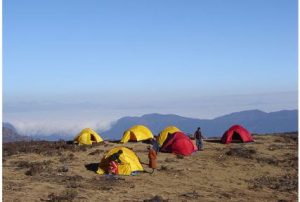
As the trail rises above Genekha’s terraced fields, the landscape changes quickly. Meanwhile, yak herders move between camps, their tents marked by fluttering prayer flags. What makes this route different is its rhythm—each day reveals a new cluster of lakes, each with a different shade of blue, each reflecting peaks like Kang Bum and distant views toward Gangkhar Puensum on clear mornings.
From here, the trek becomes less about distance and more about presence. You walk beside still waters where locals believe protective deities reside. Then, as evenings settle, the sky opens completely: no light pollution, just stars layered over quiet ridgelines.
By the final descent, most trekkers realize this isn’t just another route on a checklist. Instead, it’s a rare balance of accessibility and wilderness, one of the few treks where you feel truly far from everything without needing extreme endurance.
The descent into Paro valley offers your first glimpse of Bhutan—river curves, forested slopes, and scattered farmhouses. After arrival, you drive to Thimphu, where the city feels more like an extended village than a capital. Meanwhile, you may stop at Simtokha Dzong, one of Bhutan’s oldest fortresses, where monks still chant in dim corridors. In the evening, your guide briefs you on altitude and trekking pace. Unlike rushed itineraries, this slow start helps your body adjust before heading higher. Overnight in Thimphu.
The drive to Genekha winds past fields where locals harvest red rice and dry chillies on rooftops. From here, the trail climbs through oak forests. As you gain elevation, the air sharpens, and distant ridgelines begin to open. Meanwhile, yak bells echo across the valley long before you reach Gur. This campsite sits beside a windswept lake, where evenings turn cold quickly. Unlike crowded trekking routes elsewhere, you’ll likely see no other groups. Overnight at Gur camp.
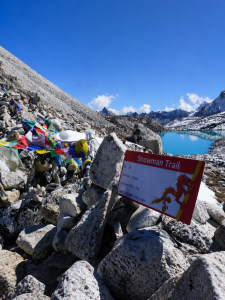
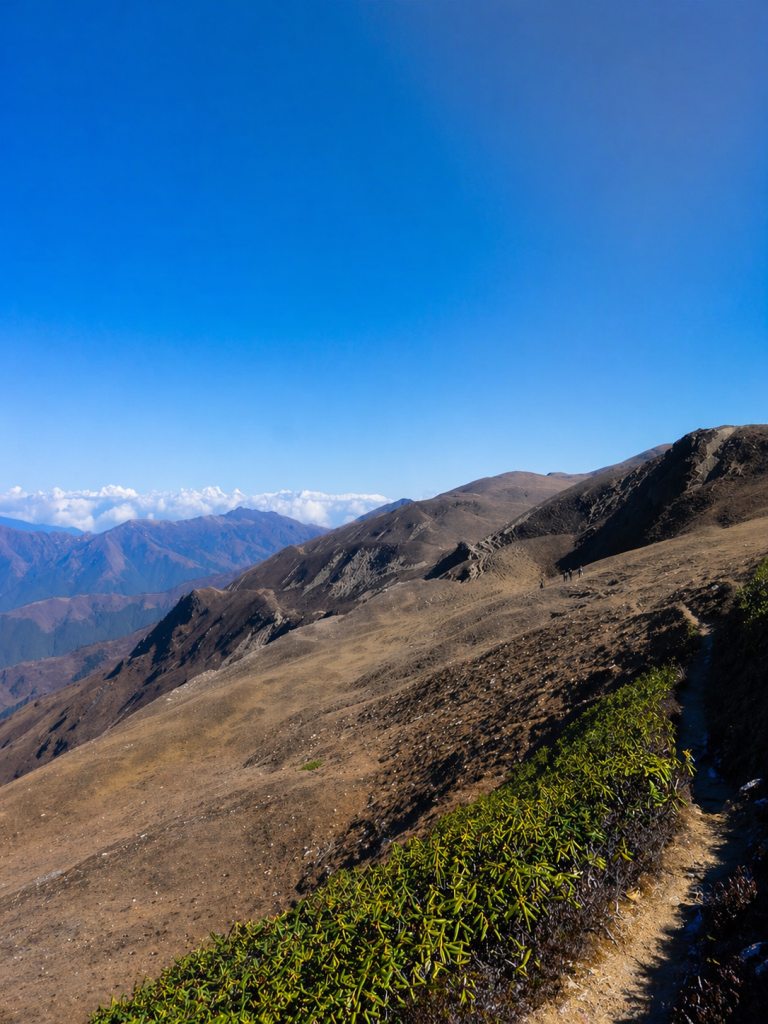
The trail rolls across ridges with constant mountain views. As clouds shift, glimpses of snow peaks appear and disappear. Meanwhile, your guide may point out high-altitude herbs used in traditional Bhutanese medicine. By afternoon, you enter Labatama valley. This area holds several lakes, including Relitsho, known for its deep blue color. What sets this place apart is the silence—no permanent structures, only seasonal yak camps. Overnight at Labatama.
Instead of pushing forward, you explore higher ridges and hidden lakes. As you climb, the terrain becomes more rugged. Meanwhile, locals believe these lakes are protected by spirits, so guides often encourage quiet reflection near the water. You may encounter yak herders churning butter or repairing tents. This day offers both acclimatization and cultural insight, which many treks skip. Overnight at Labatama.
The morning begins with a climb to a pass marked by layered prayer flags. From here, the view stretches across multiple valleys. Meanwhile, the descent into Panka feels like entering a hidden basin. Panka campsite sits near a stream where mist often rolls in by late afternoon. Unlike the open spaces of Labatama, this valley feels enclosed and quiet. Overnight at Panka.
The trail drops steeply through juniper forests. As you descend, the air warms, and bird calls replace wind. Meanwhile, small stone shrines appear along the path—offerings left by herders for safe passage. Talakha village emerges slowly, with traditional houses clustered along the hillside. You may visit Talakha Goenpa, where monks maintain daily rituals rarely seen by outsiders. Overnight in Talakha.
A short walk brings you to the road, where your vehicle waits. As you drive to Paro, the transition feels noticeable—roads, shops, and people return after days of silence. Meanwhile, you may stop at Paro Dzong, where wooden bridges and fortress walls reflect Bhutan’s living heritage. The evening is yours to rest or explore Paro town. After days in the mountains, even small comforts feel amplified. Overnight in Paro.
The morning feels quieter than expected. As you prepare to leave, the mountains remain visible in the distance. Meanwhile, many travelers notice something subtle—the pace of thought has slowed. Your guide transfers you to Paro Airport. Unlike many treks that end in exhaustion, this one leaves you grounded, present, and already thinking about returning.
Package does not include insurance of any kinds, and that you are required to obtain separate coverage from your home country or any insurance company of your choice.