Bhutan Bird Checklist: Rare Himalayan Birds & Expert Birding Guide
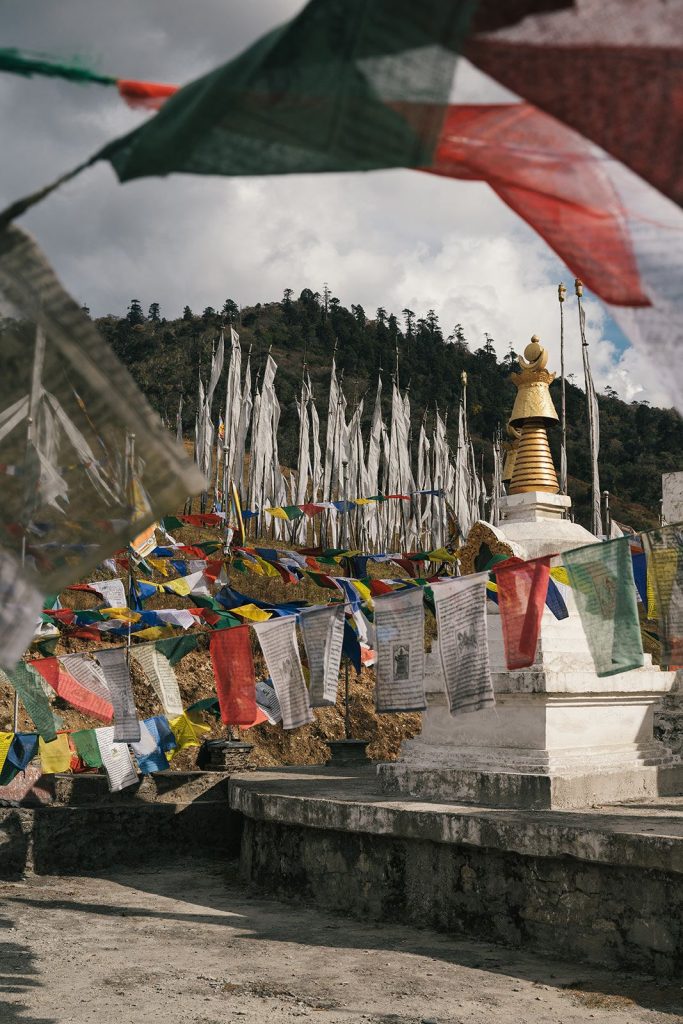
The Bhutan Bird Checklist became more than a species list for me after my first misty morning in Bhutan’s Himalayan forests. Before sunrise near Dochula Pass, our birding guide stopped quietly beside prayer-flag-covered pines while distant laughingthrush calls echoed through the fog. That moment immediately felt different from birdwatching anywhere else in Asia. Bhutan birding is slower, quieter, and deeply connected to untouched Himalayan wilderness.
For serious bird watchers, wildlife photographers, and Himalayan birding enthusiasts, Bhutan remains one of Asia’s least disturbed birding destinations. The country’s dramatic elevation range, from subtropical forests to alpine mountain valleys creates habitats for more than 700 bird species, including some of the rarest birds in the Eastern Himalayas.
Unlike crowded birding hotspots elsewhere in Asia, Bhutan still feels undiscovered. Many mornings during our Himalayan birding expedition passed without seeing another vehicle. Only prayer flags moved in the wind while distant bird calls drifted through old-growth forests.
For travelers searching for an authentic Bhutan birdwatching tour with expert guides and specialized birding optics for Himalayan low-light forests, Bhutan quietly offers one of the finest wildlife experiences left in Asia.
Why the Bhutan Bird Checklist Attracts Serious Himalayan Birders
Birding in Bhutan feels slower and more intimate than in many other Himalayan destinations.
The forests are quieter. Roads carry little traffic. Even experienced wildlife photographers naturally become more patient here because the landscape itself slows everything down.
One morning near Royal Manas National Park, we waited nearly two hours beside thick bamboo for a hornbill pair. Nobody complained. The silence itself became part of the birding experience.
Bhutan’s protected ecosystems support:
- Subtropical broadleaf forests
- High-altitude rhododendron zones
- Wetlands for migratory cranes
- Alpine pheasant habitats
- River ecosystems for endangered herons
The country’s conservation policies also help preserve habitats that disappeared elsewhere decades ago. For bird enthusiasts, the Bhutan Bird Checklist represents one of the last truly wild Himalayan birding experiences.
Bhutan Bird Checklist: Rare Himalayan Birds You Can See
Some birders arrive in Bhutan with long life lists. Others come searching for one specific species.
During my journey, almost everyone quietly hoped for the same bird:
the White-bellied Heron.
White-bellied Heron Bhutan Sightings
White-bellied Heron remains one of the rarest birds on Earth.
Bhutan currently protects the world’s largest surviving population, with approximately 31 individuals recorded in recent conservation studies. Most sightings occur around the Punatsangchhu Basin and isolated river systems.
Seeing one requires:
- Patience
- Early morning positioning
- Expert local birding guides
- Specialized birding optics for Himalayan low-light
- Long observation sessions
Our guide positioned us before sunrise beside a cold riverbank hidden in fog. We waited silently for nearly three hours.
Then suddenly, the heron appeared downstream, walking slowly through mist rising off the river.
Nobody spoke.
Even experienced wildlife photographers lowered their cameras for a moment simply to watch.
For many international birders, the Bhutan Bird Checklist becomes a lifelong reference because of how many globally threatened Himalayan species can still be observed here.
Endemic Bird Species List Bhutan 2026 for Wildlife Photographers
Bhutan’s bird diversity continues attracting ornithologists and conservation photographers because the country sits within one of the world’s richest biodiversity corridors.
Some notable Eastern Himalayan bird species include:
| Species Name | Common Name | Prime Location | Sightings Profile |
|---|---|---|---|
| Ardea insignis | White-bellied Heron | Punatsangchhu Basin | Critically Endangered |
| Grus nigricollis | Black-necked Crane | Phobjikha Valley | Winter Migrant |
| Harpactes wardi | Ward’s Trogon | Trongsa / Zhemgang | Uncommon |
| Tragopan satyra | Satyr Tragopan | Bumthang Highlands | Good Seasonal Chance |
Bhutan’s protected forests allow birders to observe the following:
- Himalayan Monal
- Blood Pheasant
- Beautiful Nuthatch
- Fire-tailed Sunbird
- Rufous-necked Hornbill
- Laughingthrush species
- Rare Himalayan raptors
For updated bird conservation information, travelers often consult BirdLife International and Royal Society for Protection of Nature Bhutan.
Birding Guide Bhutan Tips for Specialized Himalayan Low-Light Photography
The best birding guides in Bhutan are usually local specialists who learned these forests long before tourism existed.
What impressed me most was not just their species knowledge. It was their ability to identify birds from tiny sounds most travelers would completely miss.
One guide in Trongsa stopped mid-conversation after hearing a distant forest call I barely noticed. Ten minutes later, we were quietly observing Ward’s Trogon moving between moss-covered branches.
A strong birding guide Bhutan experience usually includes:
- Local habitat expertise
- Seasonal migration knowledge
- Bird call identification
- Photography positioning support
- Specialized birding optics for Himalayan low-light forests
The forests in Bhutan become extremely dark during misty mornings and monsoon periods. Serious wildlife photographers should carry:
- Fast telephoto lenses
- Lightweight tripods
- Weather-sealed cameras
- High ISO capable bodies
- Waterproof gear protection
Bhutan’s cloud forests challenge even experienced bird photographers.
That challenge is exactly why many return.
Can I see Ward’s Trogon in Trongsa During a Bhutan Birding Tour?
Yes! but patience matters.
Ward’s Trogon remains one of Bhutan’s most desired subtropical forest birds.
The best areas usually include:
- Trongsa
- Zhemgang
- Mid-elevation broadleaf forests
Ward’s Trogon rarely announces itself dramatically. Most sightings happen quietly during slow Himalayan forest birding walks after rainfall.
Our sighting happened during dense fog near Zhemgang. At first, I could barely distinguish shapes through the trees. Then suddenly, brilliant crimson plumage appeared against dark green moss.
Even experienced wildlife photographers in our group forgot to press the shutter for several seconds.
That moment perfectly captured birding in Bhutan itself: quiet, patient, and unforgettable.
Where to See Satyr Tragopan in Bhutan’s Rhododendron Forests
Satyr Tragopan thrives in Bhutan’s high-altitude rhododendron forests.
Some strong viewing areas include:
- Tharpaling
- Bumthang
- Upper alpine forest trails
Early spring mornings usually provide the best opportunities, especially during rhododendron bloom season.
These birds prefer dense cover and low disturbance. Many sightings happen during short feeding appearances before they disappear back into thick forest.
One freezing morning near Bumthang, we heard movement before sunrise while frost still covered the trail. Our guide pointed silently toward a steep hillside where a male Satyr Tragopan stepped briefly into open light.
The colors looked almost unreal against the grey Himalayan morning.
Bhutan Bird Checklist for the Crane Festival in Phobjikha 2026
The Black-necked Crane Festival in Phobjikha Valley is expected around November 11, 2026, although official festival dates should always be confirmed closer to the season.
Black-necked Crane migrate into the valley every winter, transforming Phobjikha into one of the most atmospheric birdwatching locations in the Himalayas.
The festival combines:
- Traditional Bhutanese dances
- Crane conservation awareness
- Local cultural celebrations
- Educational performances
- Community events
However, the real magic happens before sunrise.
Watching cranes descend silently into the frozen valley while monastery horns echoed through the morning fog felt almost unreal.
No photograph fully captured that experience.
For migration updates and travel information, birders can monitor Bhutan Tourism Updates.
What Is the Rarest Bird in Bhutan?
Without question, the rarest bird in Bhutan remains the White-bellied Heron.
For many international birders, seeing this species becomes a once-in-a-lifetime experience.
Yet Bhutan’s importance extends beyond one species alone.
The country protects one of the last continuous Himalayan forest systems remaining in Asia. That protection allows globally threatened bird species to survive in habitats lost elsewhere decades ago.
The most rewarding part of following a Bhutan Bird Checklist is realizing that the forests themselves become just as memorable as the species.
Bhutan Bird Checklist Costs and Birding Tour Information
International Travelers
Bhutan currently applies a Sustainable Development Fee (SDF) of:
USD 100 per person per night
Birding packages generally include:
- Specialist birding guide
- Private vehicle
- Accommodation
- Customized birdwatching routes
- Forest permits where required
Indian Travelers
Indian visitors currently pay:
INR 1,200 SDF per night
Birdwatching tours can be customized depending on:
- Rare species targets
- Photography goals
- Festival timing
- Forest accessibility
- Duration of travel
For travelers interested in customized birdwatching expeditions, you may check our tour itinerary link here:
Please note that the itinerary is only a brief sample and can always be adjusted according to your birding interests, photography goals, species targets, and travel preferences.
Travelers who wish to confirm the tour or discuss a customized Bhutan birdwatching expedition are encouraged to write directly for personalized planning.
Final Thoughts on the Bhutan Bird Checklist Experience
I arrived in Bhutan hoping to photograph rare Himalayan birds.
I left remembering the forests themselves.
The fog. The silence. The waiting. The distant bird calls drift through ancient Himalayan forests before sunrise.
Bhutan rewards patient birders differently than most destinations. It does not hand wildlife experiences to you instantly. Instead, it slowly invites you deeper into the landscape until every sound begins to matter.
For wildlife photographers, conservation travelers, and serious bird enthusiasts, the Bhutan Bird Checklist represents one of the finest remaining birding experiences in Asia’s genuinely wild.