Bhutan Wellness Tour Through Healing Waters and Living Traditions
Steam rises slowly from stone pools before sunrise, carrying mineral warmth into the cold Himalayan air. A Bhutan wellness tour does not begin with spa menus or scheduled relaxation. Instead, it begins with contrast—cold mornings, warm waters, and a silence that feels natural rather than constructed. Unlike commercial retreats, this journey draws from Bhutan’s lived traditions, where healing happens through environment, ritual, and time.
At the center of this experience are the Gasa Hot Springs, known locally as Gasa Tsachus. Here, healing is not packaged. Locals travel for days to reach these waters, often staying for extended periods. As you soak beside them, you begin to understand the purpose behind Gasa Tsachus healing—relief from fatigue, joint pain, and long-term imbalance.
Meanwhile, the rhythm of the springs slows everything down. There is no rush, no structure, and no expectation beyond presence. This is where a Bhutan wellness tour becomes personal. It shifts from observation into participation.
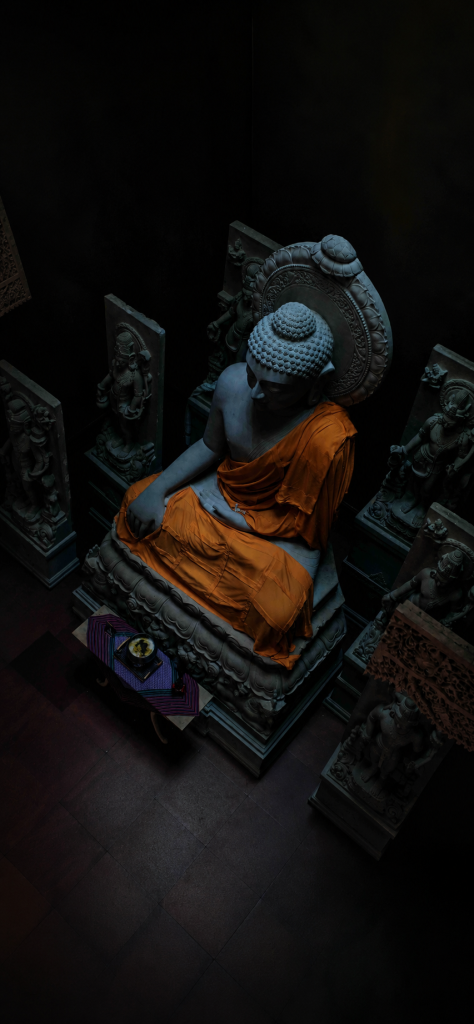
Beyond the physical, the journey deepens through spiritual immersion. Time spent in monasteries introduces you to meditation with monks in Bhutanese monasteries, where silence is practiced, not explained. You sit, listen, and gradually align with the rhythm of chanting and breath.
In addition, guided sessions inspired by Rigpa Owl mindfulness practices unfold in quiet spaces like Neyphu. These moments are not instructional in a conventional sense. Instead, they allow awareness to develop naturally through stillness and observation.
Equally important, this journey integrates elements of a traditional Bhutanese medicine retreat 2026 approach. Herbal remedies, dietary balance, and energy alignment are introduced through local practitioners. As a result, the experience extends beyond relaxation into a deeper understanding of well-being.
Unlike modern wellness programs, this system does not isolate the body from the mind. Instead, it treats both as part of the same process. This perspective shapes the entire Bhutan wellness tour, making it holistic rather than segmented.
Toward the end of the journey, the pace slows completely. Two nights in Paro allow time to absorb the experience without further travel. The hike to Taktsang Monastery becomes more than a physical climb. It reflects the internal shift that has taken place over the days.
By the time you depart, the experience feels complete. A Bhutan wellness tour does not end with a final activity. It stays with you as a change in rhythm, awareness, and perspective.
Check out ourBlog and Travel guide post for more information.
The descent into Paro reveals forested slopes and quiet valleys. After arrival, you transfer to Thimphu. Meanwhile, the city introduces Bhutan’s calm pace through prayer wheels and small markets. In the evening, your guide outlines the structure of your Bhutan wellness tour, including altitude adjustment and mindfulness practices. Overnight in Thimphu.
The day begins with a visit to a local monastery. As monks chant, the atmosphere shifts naturally. Meanwhile, you are introduced to breathing techniques aligned with meditation with monks in Bhutanese monasteries. In the afternoon, you visit the Traditional Medicine Institute. Here, practitioners explain herbal healing methods used across Bhutan. Overnight in Thimphu.
The drive crosses Dochula Pass, where 108 chortens stand in silence. As you descend, the climate softens. Meanwhile, Punakha valley opens with rice fields and rivers. You visit Punakha Dzong, where spiritual and administrative life still intersect. The environment feels slower and more grounded. Overnight in Punakha.
The road narrows as you move toward Gasa. As elevation shifts, the landscape becomes more rugged. Meanwhile, villages become fewer, reinforcing the sense of remoteness. Upon arrival, the focus shifts entirely to Gasa Tsachus healing. You begin your first soak in the mineral-rich waters. Overnight in Gasa.
The day is unstructured by design. You move between pools at your own pace. Meanwhile, conversations with locals reveal how these springs are used for long-term healing. Unlike spa environments, this experience feels communal and authentic. The body begins to release tension naturally. Overnight in Gasa.
The return journey feels quieter. As you descend, the landscape appears familiar but different. Meanwhile, your body carries a subtle sense of lightness. In Punakha, the evening remains free for rest or reflection. Overnight in Punakha.
The drive back crosses Dochula again. Meanwhile, the transition feels smoother and more internal than physical. In Paro, you settle into a slower pace. This marks the beginning of your final reflection phase. Overnight in Paro.
oday centers on stillness. At Neyphu, you experience a heritage-style retreat environment. Meanwhile, guided sessions reflect Rigpa Owl meditation principles, focusing on awareness and presence. The environment remains quiet, with minimal external activity. Overnight in Paro.
The hike to Taktsang begins early. As the trail rises, the valley opens below. Meanwhile, the rhythm of the walk becomes meditative. Reaching Taktsang feels earned. The monastery rests against the cliff, creating a powerful visual and emotional moment. Overnight in Paro.
The final morning is quiet. Without additional travel, you depart directly from Paro. Meanwhile, the experience lingers—not as memory, but as a shift in pace and awareness.
Package does not include insurance of any kinds, and that you are required to obtain separate coverage from your home country or any insurance company of your choice.