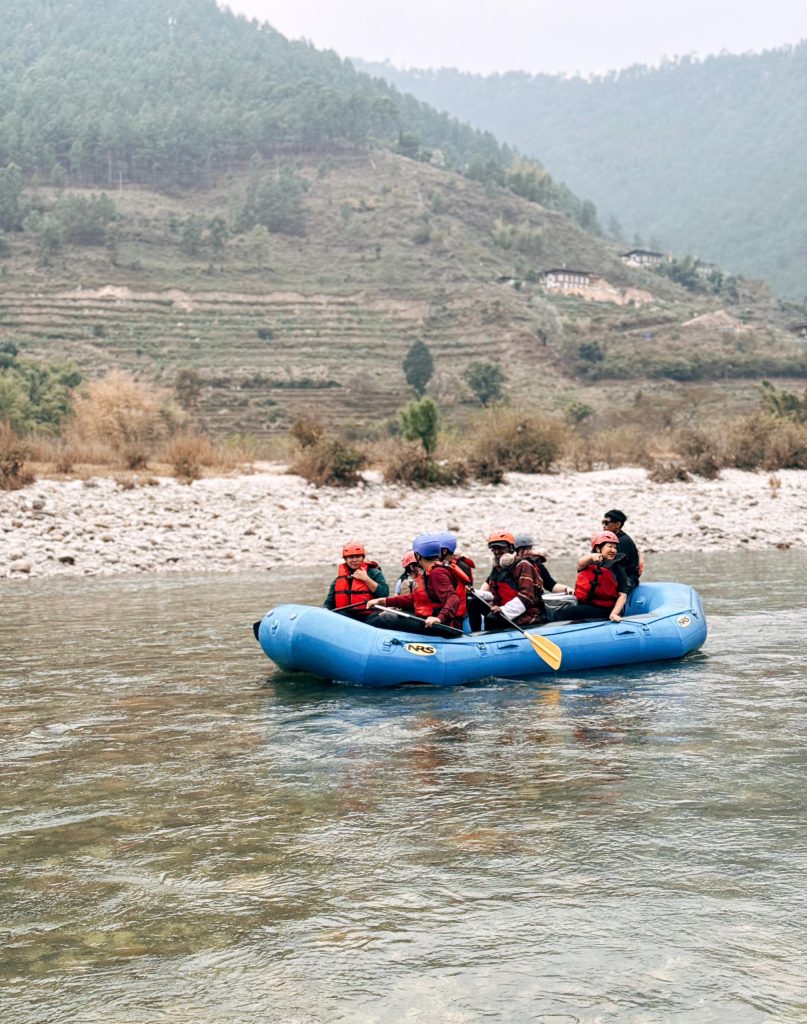
Bhutan Rafting Tours Through Living Rivers and Culture
Cold river spray hits your face before the paddle finds rhythm. Bhutan rafting tours are not built around crowds or artificial intensity. Instead, they move through real landscapes shaped by water and tradition. Unlike commercial rafting hubs, these rivers flow past monasteries, farmland, and quiet villages.
Meanwhile, a Bhutan rafting tour is more than navigating rapids. It is about reading the river. It is also about understanding how water shapes daily life. As you move between the Pho Chhu and Mo Chhu, you experience the full range of Bhutan river rafting. Some stretches are calm and reflective. Others require focus and coordination.
What makes this journey distinct is balance. Bhutan white water rafting offers energy without overwhelming the experience. Rapids arrive in intervals. Then, calm sections follow. This rhythm allows both excitement and reflection.
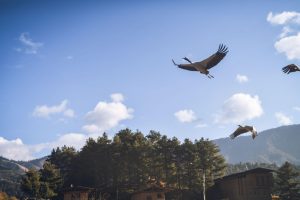
Meanwhile, during quieter stretches, small details emerge. Prayer flags move above the riverbanks. Birds lift from the water. In the distance, monastery horns echo softly. These moments create depth beyond the activity itself.
Because of this, the experience suits both beginners and seasoned rafters. You are challenged, but never rushed. You are engaged, but never disconnected.
In addition, this journey is designed for travelers seeking meaning, not just movement. Solo travelers and adventure seekers often find a deeper connection here. The pace allows space to observe, adjust, and absorb.
Unlike fast-paced adventure tours, Bhutan rafting tours transition naturally. The river leads you into the mountains. Then, the mountains guide you toward Paro. By the time you reach Taktsang, the experience feels complete.
The descent into Paro reveals forested slopes and river valleys. After arrival, you transfer to Thimphu. Meanwhile, the city introduces Bhutan’s calm rhythm through prayer wheels and local markets. In the evening, your guide explains paddling techniques and safety. The briefing is clear and focused. Overnight in Thimphu.
The drive crosses Dochula Pass. As you descend, the air becomes warmer. Meanwhile, the Pho Chhu river appears wide and steady. This section is ideal for learning flow. The current is controlled, yet engaging. You pass farmland and jacaranda trees along the banks. The approach to Punakha Dzong feels unforgettable. Overnight in Punakha.
Today brings stronger currents. As you enter the Mo Chhu, the river narrows. The energy increases quickly. Meanwhile, guides call clear commands for each rapid. Between sections, the river slows again. These pauses allow you to reset and observe. Lunch is often served by the riverbank. The setting feels simple and grounding. Overnight in Punakha.
The drive back to Paro feels different after days on the water. Meanwhile, the body carries a quiet fatigue. It comes from movement, not distance. In Paro, the pace slows naturally. You may explore the town or rest. The transition prepares you for the final day. Overnight in Paro.
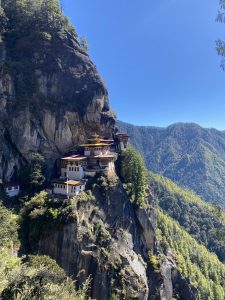
The final morning begins with the climb to Taktsang Monastery. The trail rises steadily above the valley. Meanwhile, prayer flags mark the path. At the top, the monastery sits against the cliff. The view feels earned, not given. After the hike, you transfer to the airport. The journey ends quietly, but it stays with you.
Package does not include insurance of any kinds, and that you are required to obtain separate coverage from your home country or any insurance company of your choice.