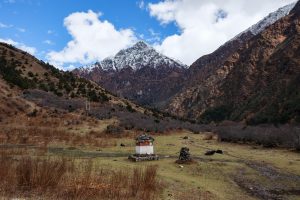
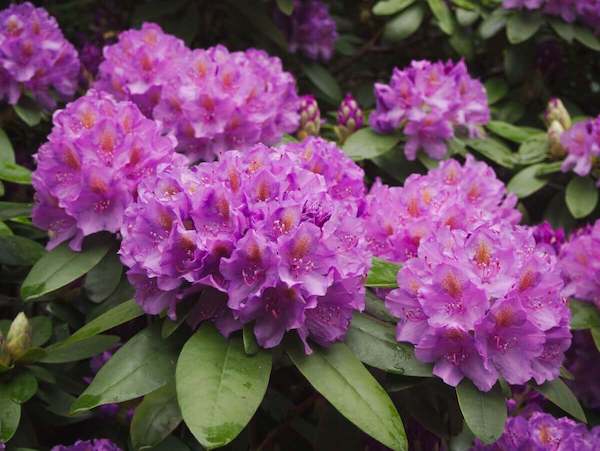
Spring in Bhutan does not arrive quietly — it blooms. And nowhere does it bloom more dramatically than in the forests around Lamperi Botanical Park during the Rhododendron Festival. If you’re searching for the best time to visit Bhutan in spring, late April is when the mountains soften, the air turns fragrant, and entire hillsides blush in pink, crimson, and white.
The Bhutan Rhododendron Festival 2026 is more than a flower event — it’s a celebration of biodiversity, highland culture, and Bhutan’s deep respect for nature. Families from nearby villages gather beneath flowering trees, school children perform traditional dances, and forest guides lead slow walks through alpine trails carpeted with petals. The scent of damp earth and pine lingers in the air. Prayer flags flicker above blooming slopes.
This itinerary blends eco-travel with cultural depth. You’ll explore Thimphu’s evolving capital charm, cross the iconic Dochula Pass with 108 chortens silhouetted against Himalayan peaks, and wander Punakha’s riverside valleys before returning to Paro for a meaningful finale.
We end with the hike to Tiger’s Nest Monastery — a spiritual counterpoint to spring’s natural awakening. This journey is ideal for travelers seeking eco-friendly tours in Bhutan, photographers drawn to seasonal landscapes, and cultural explorers who want something gentler than peak tshechu crowds.
Spring here is quiet, fragrant, and alive.
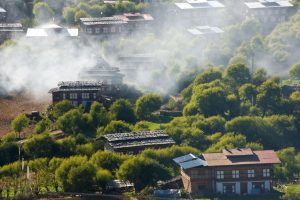
You arrive in Paro on one of the world’s most dramatic mountain descents. Clear spring skies often reveal snow-capped peaks before the aircraft curves into the valley. After meeting your guide, you drive along the Pa Chhu river toward Thimphu. The journey is only about an hour, but the transition feels immediate — prayer flags over bridges, whitewashed farmhouses, terraced fields preparing for planting. In the evening, take a relaxed walk along Thimphu’s main street. The scent of butter tea drifts from small cafés. Spring evenings are cool but gentle.
Today introduces Bhutan’s capital in its quiet rhythm. Visit Buddha Dordenma overlooking the valley, then the Folk Heritage Museum to understand rural life. At the Centenary Farmers Market, vendors sell wild forest greens and seasonal produce. Spring ingredients begin appearing — fresh shoots, herbs, mushrooms from lower valleys. By afternoon, the pace slows. Thimphu in April feels open and breathable, without peak-season crowds.
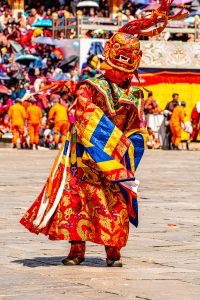
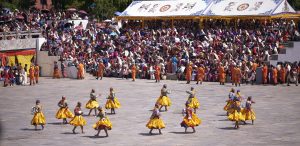
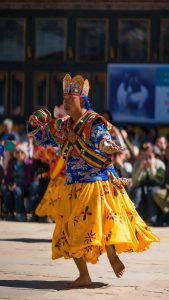
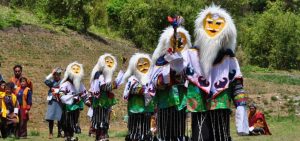
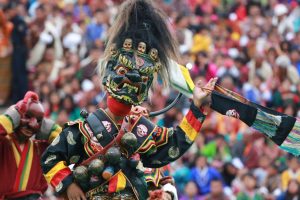
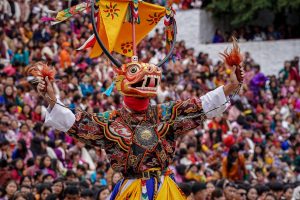
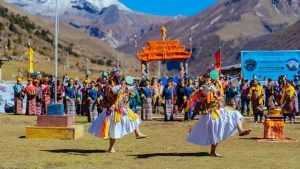
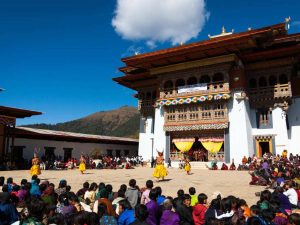
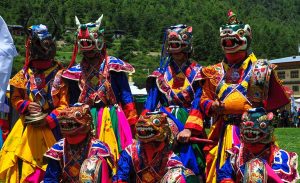
After breakfast, drive toward Lamperi, located between Thimphu and Punakha. As elevation rises, the forest thickens. Then suddenly, color. Entire hillsides burst into bloom. Guided botanical walks introduce Bhutan’s native rhododendron species. Some grow low and clustered; others tower above you. Cultural performances take place in a clearing — villagers in bright kira and gho dancing against a backdrop of pink blossoms. The experience is relaxed, intimate, and deeply local — a nature festival rooted in community pride. By late afternoon, continue your scenic descent into Punakha Valley.
Wake to subtropical warmth. Visit Punakha Dzong, dramatically positioned between two rivers. Jacaranda trees may begin to show early purple hints. Walk across the suspension bridge fluttering with prayer flags. The valley feels fertile and alive — farmers preparing rice terraces for the season ahead.
Cross Dochula Pass in the clear spring light. If skies are open, Himalayan peaks stretch endlessly. Continue to Paro and visit Rinpung Dzong and the National Museum. The valley here feels intimate and quiet compared to Thimphu.
Today is the spiritual climax. The hike to Taktsang (Tiger’s Nest) begins through pine forest scented with resin warmed by spring sun. Prayer flags rustle. The monastery clings impossibly to the cliff face. Reaching the viewpoint across the gorge is powerful. The final steps upward feel symbolic — nature, faith, and effort merging. Return to Paro for a celebratory farewell dinner.
After breakfast, transfer to Paro International Airport. Spring lingers in the valley as you depart.
Package does not include insurance of any kinds, and that you are required to obtain separate coverage from your home country or any insurance company of your choice.